
Saying hello is the first step in a conversation, but knowing how to say goodbye correctly is just as important! Whether you are leaving a business meeting or hanging out with friends, using the right “goodbye” helps you sound more natural and confident.
In this lesson, we will explore 8 practical ways to say goodbye, based on the latest lesson from the Frankly Speaking English YouTube channel.
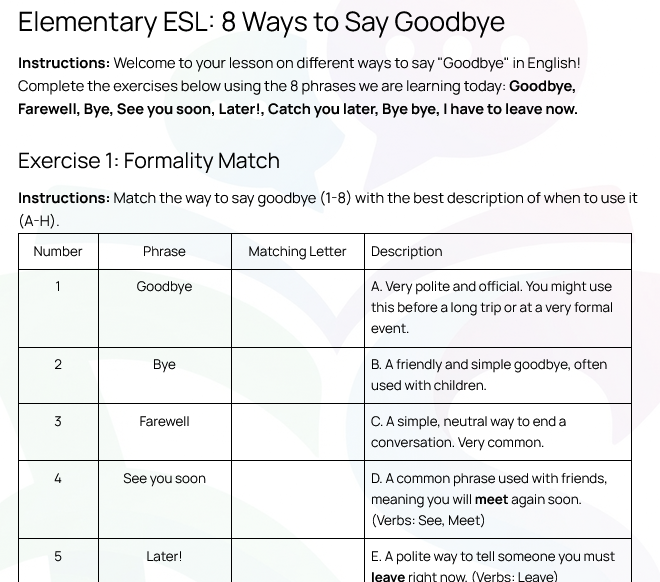
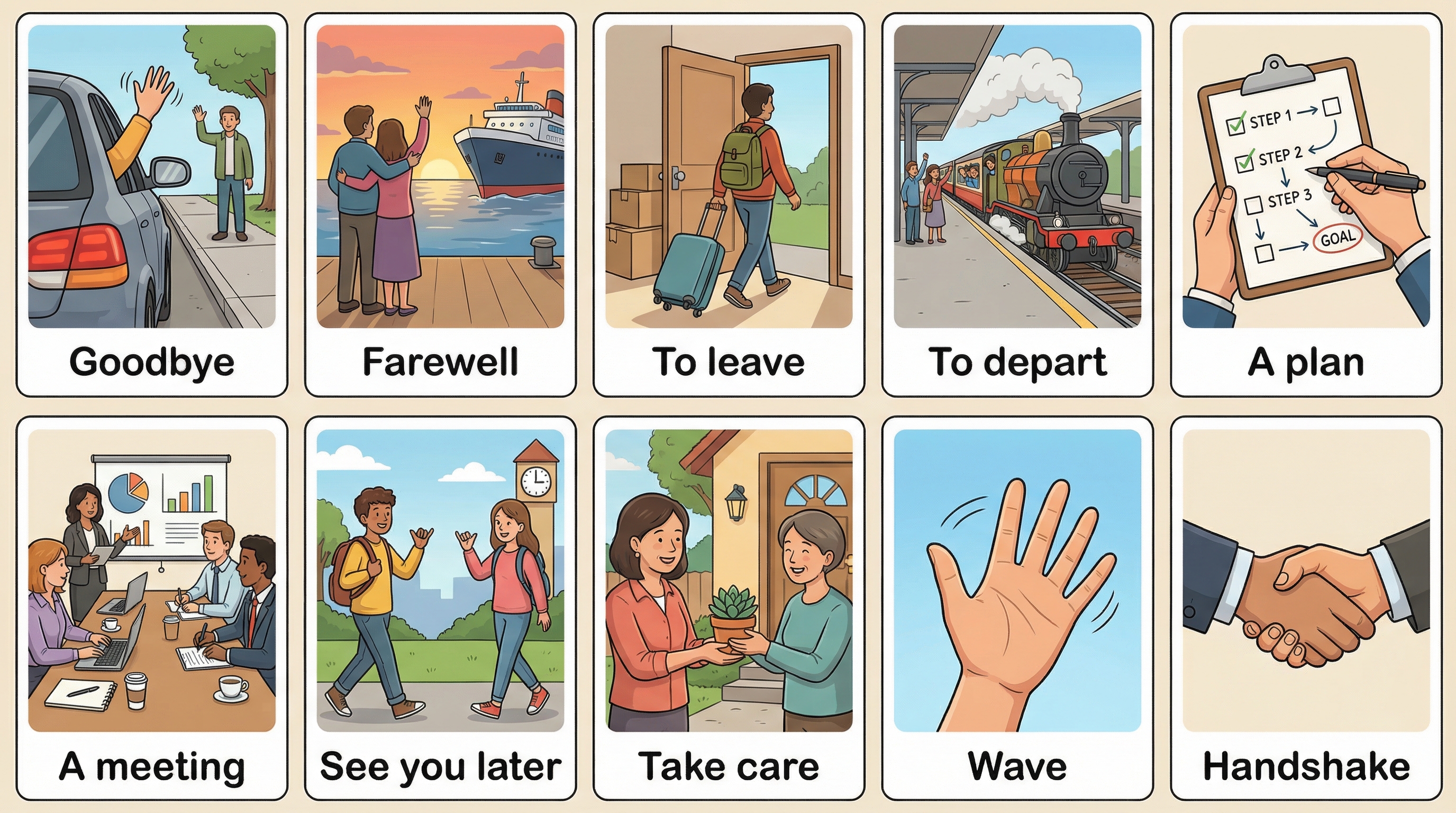
1. Goodbye
This is the most common and “universal” way to end a conversation. You can use it in any situation—whether you are talking to your boss, a teacher, or a shop assistant.
- Setting: Formal and Informal.
- Example: “It was nice meeting you. Goodbye!“
2. Bye
This is the shorter, more relaxed version of “Goodbye.” It is very common in daily life.
- Setting: Neutral/Informal.
- Example: “I’m going home now. Bye!“
3. Bye-Bye
You will often hear people say this to children or in very friendly, casual settings. It sounds sweet and high-energy.
- Setting: Informal (Friends and family).
- Example: “Bye-bye, see you tomorrow!”
4. See ya!
In English, we often change the sound of “you” to “ya” when speaking quickly. Instead of saying “See you,” try saying “See ya!” [02:06].
- Setting: Informal (Slang).
- Example: “I have to go to class. See ya!“
5. Later
This is a short version of “See you later.” It is very popular with younger people and among friends.
- Setting: Informal (Slang) [04:35].
- Example: “I’ll call you tonight. Later!“
6. Catch you later
This is another way of saying you will see the person again soon. Notice the pronunciation here: we often say “Catch ya later” instead of “you” [03:02].
- Setting: Informal (Slang).
- Example: “Great talking to you. Catch you later!“
7. Adios
While this is a Spanish word, it is very common in American English, especially in places like Texas or California [05:51]. You can find it in English dictionaries as a fun, casual way to say goodbye.
- Setting: Informal.
- Example: “I’m heading out. Adios!“
8. Farewell
This is a very formal word [03:57]. You usually use it when you are saying goodbye for a long time or at a very serious event (like a graduation or leaving a job forever).
- Setting: Very Formal.
- Example: “Farewell, my friends. I wish you the best of luck.”
💡 Common Mistake: “Goodnight” vs. “Good evening”
One of the biggest mistakes Elementary learners make is using “Goodnight” when they arrive somewhere.
- Good evening: Use this as a greeting (Hello) when you arrive at a place after 6:00 PM.
- Goodnight: Use this only when leaving or when you are going to sleep. Never say “Goodnight” when you first see someone!
🎓 Final Tips for Learners
Don’t worry about being perfect! If you aren’t sure which one to use, stick with “Goodbye” or “Bye”—they always work. As you get more comfortable, try using “See ya” or “Later” with your friends to sound like a native speaker.
Keep practicing, and you’ll be speaking like a pro in no time!
For more easy English lessons, check out the full video here: 8 Ways of Saying Goodbye!

Leave a Reply