
Most English learners learn early on that the Present Simple is for habits (I drink coffee) and the Present Continuous is for things happening right now (I am drinking coffee).
However, as an intermediate learner, you’ve probably noticed that these tenses do a lot more heavy lifting. They are essential for talking about the future and even for expressing how you feel about someone’s behavior. Let’s break down the “secret” uses of these two tenses so you can sound more natural and precise.
1. The Future: Schedules vs. Personal Plans
One of the most common points of confusion is using present tenses to talk about the future. The rule of thumb here is to look at who is in control of the event.
The Present Simple: The “Train Schedule” Tense
We use the Present Simple for future events that are part of a fixed timetable or a schedule that we cannot change. These events happen at the same time for everyone.
- Examples:
- “My flight leaves at 6:00 AM tomorrow.”
- “The movie starts in ten minutes.”
- “What time does the bank open on Monday?”
The Present Continuous: The “Diary” Tense
We use the Present Continuous for personal arrangements. These are plans you have already organized with another person or written in your calendar.
- Examples:
- “I am meeting Sarah for lunch on Friday.”
- “We are staying at a hotel near the beach next week.”
- “Are you doing anything this weekend?”
2. Habits: The “Always” Rule
We know the Present Simple is for normal habits (“I always wake up early”). But did you know you can use the Present Continuous with “always” to express an emotion?
Expressing Annoyance
When someone does something repeatedly and it bothers you, use the Present Continuous + Always. It signals to the listener that the habit is frequent and frustrating.
- Example: “You are always leaving your dirty socks on the floor!”
- Example: “He is always interrupting me when I’m on the phone.”
Pro Tip: If you say “He always interrupts me,” it’s just a fact. If you say “He is always interrupting me,” you are complaining!
3. Quick Comparison Table
| Use Case | Present Simple | Present Continuous |
|---|---|---|
| Habits | Regular, neutral facts. | Annoying or surprising habits (with “always”). |
| Future | Fixed schedules (trains, movies, classes). | Personal arrangements and plans. |
| Timeframe | Permanent or long-term. | Temporary or “around now.” |
Export to Sheets
4. Common Mistakes to Avoid
State Verbs in the Continuous
Some verbs describe a state of being rather than an action. These are almost never used in the continuous form, even if they are happening “now.”
- Wrong: “I am wanting a coffee right now.”
- Right: “I want a coffee right now.”
- Other state verbs: love, hate, know, understand, believe, need.
Confusing “Will” with the Present Continuous
Intermediate learners often use “will” for every future event.
- Incorrect for a plan: “I will meet my boss at 2:00.” (This sounds like you just decided this second).
- Correct for a plan: “I am meeting my boss at 2:00.” (This shows it was already organized).
Practice Makes Perfect!
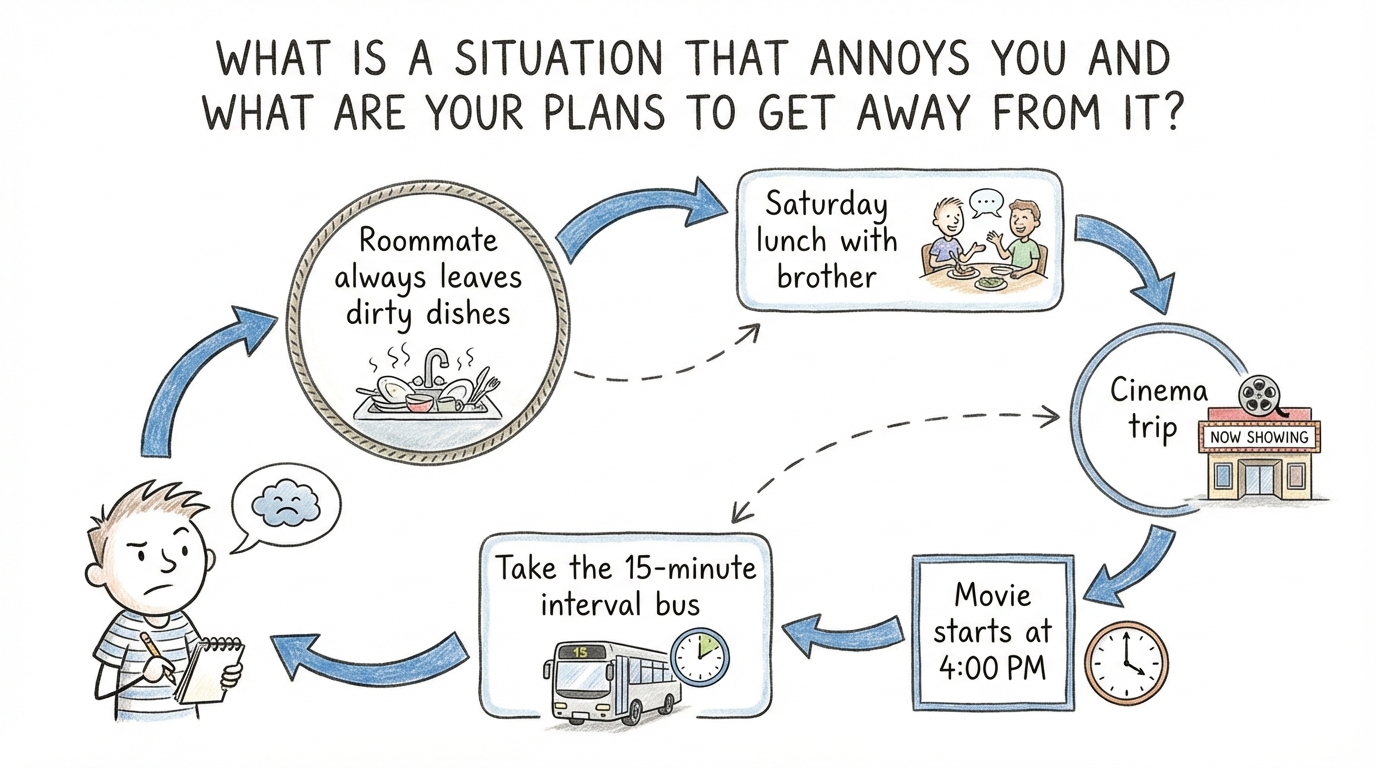
The best way to master these nuances is to use them in your own life. Look at your calendar for next week. What are your fixed schedules (Present Simple), and what are your personal plans (Present Continuous)?
Try this: Write one thing that someone does that annoys you using the “always” rule in the comments below! I’ll go first: “My cat is always jumping on my keyboard while I’m trying to work!”
Leave a Reply